
As the Tao Te Ching reminds us: “When force is met with force, the way is lost.” — paraphrasing the spirit of Chapter 30.
A Tao Te Ching–inspired reflection on the recent ICE killing in Minnesota, exploring what ancient wisdom says about force, power, grief, and restraint.
1/25/20262 min read
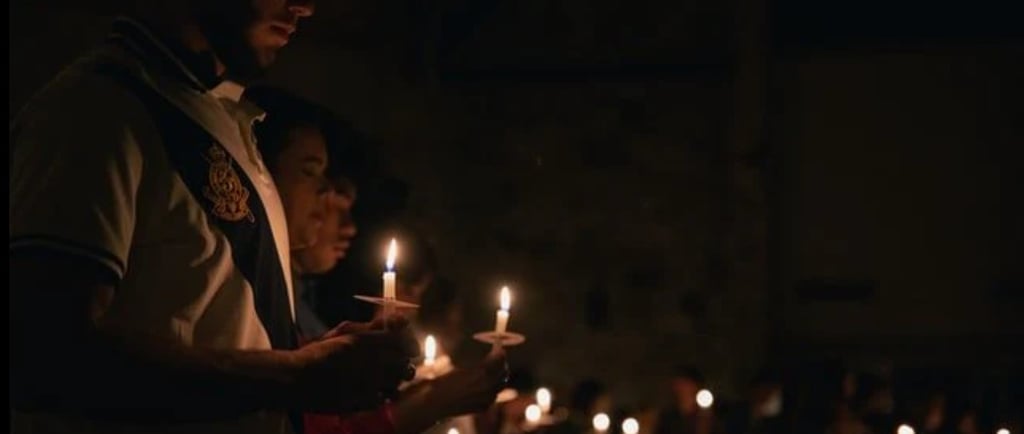
As the Tao Te Ching reminds us: “When force is met with force, the way is lost.” — paraphrasing the spirit of Chapter 30.
“When force enters the street, stillness leaves the heart.”
It’s a tender paradox: when strength becomes the first answer, the deeper harmony of the whole breaks. Violence begets disturbance, and disturbance fractures the human heart.
Here’s what’s happened recently, based on verified reports:
A 37-year-old Minneapolis man — an ICU nurse who cared for others — was fatally shot by a federal Border Patrol officer during an immigration enforcement operation. Officials claimed he posed a threat, but bystander video and family accounts paint a more complex scene amid protests and tense crowd control. (The Guardian)
This incident followed another controversial shooting earlier in January when an ICE agent killed a woman in Minneapolis, triggering public outrage and legal scrutiny. (Wikipedia)
These events have sparked protests, political condemnations, legal actions, and calls from civil liberties groups for federal agents to cease aggressive enforcement tactics in city streets. (American Civil Liberties Union)
From the Tao Te Ching’s perspective, suffering doesn’t simply happen — it reveals imbalance. In Chapter 31, Lao-Tzu teaches that weapons are instruments of fear and sorrow; to employ them is to magnify disquiet rather than resolve it. And in Chapter 36, he says to reduce arrogance first and begin with humility, for only then does the world return to tranquility.
A Taoist lesson in the midst of conflict:
Observe the cycle of action and reaction. When enforcement meets protest, tension escalates — and the deeper currents of fear and loss ripple outward. A nation’s authority isn’t measured by the force it can exert, but by how it holds the dignity of all within its care.
Ask not only what happened, but why it affects the collective psyche. In these shootings, people see not just tragedy but a breakdown of trust. The Tao teaches that harmony roots in trust — and once trust is fractured, every heartbeat feels the tremor.
Healing begins in the inner terrain. As Lao-Tzu suggests again and again: respond with calm steadiness rather than reflexive strength. Leaders and citizens alike must cultivate wisdom that tempers power. That is the way to bridge outrage with understanding, grief with purposeful change.
In these moments of grief and shock — where communities mourn, debate policy, and wrestle with justice — the Tao offers an invitation: look inward first. Not to justify or excuse, but to see how every soul present in the moment is affected — from the family of the deceased to the agents involved to the onlookers whose hearts were moved.
Violence is never distant from sorrow; when it enters the street, it enters the spirit. But from that sorrow can come clarity, if we choose responses rooted in compassion rather than force.
If you’d like a deeper exploration of specific Tao Te Ching verses and how they speak to public violence, justice, and social healing — with gentle yet incisive guidance — Take a look at this.
© 2025. All rights reserved.
If you find information on this site helpful, please share it with a friend. If you like to donate to the cause of spreading inner peace to the world, you can do so at my "Buy me a coffee link here. Thank you.
Live Healthy
BeatAgeWithEase.com
Live Happy
TheInnerTeacher.com